Most people walk into a vein specialist office because their legs no longer feel like their own. Maybe the skin around the ankles looks rusty, or an ankle ulcer keeps coming back. Sometimes it is subtler, a heaviness at the end of the day, a nagging ache that flares after long drives, or a roadmap of spider veins that makes shorts feel off limits. Whatever brings you in, a well run vein specialist clinic follows a thoughtful sequence designed to figure out why your veins misbehave, then match the fix to your goals, schedule, and budget.
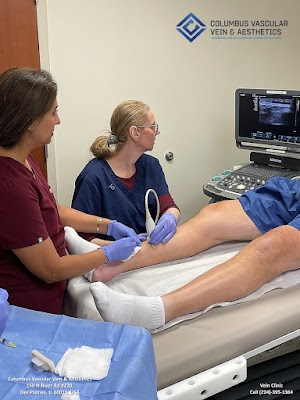
What follows is a walk through of what actually happens, room by room, along with practical notes from the trenches. I have sat in on many first visits at a vein specialist center, from quick cosmetic consultations to urgent evaluations for suspected clots. The flow is structured, but good clinics keep it human. You will feel that in the questions they ask and in how clearly they explain your options.
First impressions: what a good vein specialist office feels like
You should not walk into a chaotic lobby that looks like general urgent care. Vein care relies on imaging and minimally invasive procedures, so the space usually reflects that. Expect a quiet waiting room, a reception desk that verifies insurance before anything else, and an ultrasound suite nearby. If you look closely, you might notice a portable ultrasound parked in the hallway, sterile procedure packs in a glass cabinet, and a compression stocking display. None of this is for show. A top rated vein specialist invests in imaging and single use supplies because sterile technique and accurate vein mapping make or break outcomes.
The staff sets the tone. An experienced vein specialist physician trains medical assistants to measure ankles and calves for proper compression sizes, to take a symptom inventory that goes beyond cosmetic concerns, and to flag red flags like sudden calf swelling or warmth that might suggest a blood clot.
" width="560" height="315" style="border: none;" allowfullscreen="" >
Who you will actually meet
You will check in with a front desk coordinator who knows the difference between in network vein specialist rules for Medicare and commercial plans. A medical assistant or registered vascular technologist will call you back, take vitals, and gather history. The ultrasound technologist, often credentialed in vascular imaging, performs the duplex scan. The vein specialist doctor, sometimes a vascular surgeon and sometimes an interventional physician board certified in vascular medicine or interventional radiology, synthesizes everything and lays out options. Some practices have a patient care coordinator who walks you through vein specialist cost, prior authorizations, and scheduling.
Many clinics proudly display vein specialist ratings and patient comments. Reviews can hint at bedside manner and punctuality, but the real proof shows up when you listen to how the team works together.
What to bring so you get a useful visit
- A list of symptoms with timing and triggers, and a photo of your legs after a long day Current medications, especially blood thinners or hormones, plus allergies Insurance card and photo ID, along with any referral if your plan requires one Compression garments you already own, even if you hate them Surgical or clot history, including prior vein treatments and their dates
A small detail matters here. If you can, skip lotion on the morning of your visit. Ultrasound gel grips better to dry skin, and tape stays put during procedures.
The flow of a first appointment, step by step
- Intake conversation to define your goals, whether relief from aching legs, varicose vein removal, or help with stubborn ulcers Focused exam with the provider, including a look at your skin changes, visible varicosities, and pulses Standing duplex ultrasound to map reflux, measure vein diameters, and exclude clots Plan review that connects findings to options like compression, sclerotherapy, endovenous ablation, or ambulatory phlebectomy Checkout and scheduling with insurance verification, estimates, and a first procedure date if needed
Not every visit includes each step. If you came in as a walk in vein specialist request for a hot, swollen calf, the duplex may jump straight to ruling out deep vein thrombosis. If you only want cosmetic spider vein sclerotherapy and your exam shows no reflux, you might skip full mapping and head straight to a treatment session.
Ultrasound is the real exam
A good vein specialist office treats duplex ultrasound like a stethoscope for the venous system. It looks for two things. First, it confirms that your deep veins are open and compressible. Second, it tests for reflux in the superficial system, mainly the great and small saphenous veins and their tributaries. Reflux means blood falls backward for more than a set threshold when the technologist performs maneuvers like calf squeezes or a quick blow with a pneumatic cuff.
The preferred method is a standing scan. Gravity loads the system and reveals hidden reflux that might not appear when you are lying flat. You will stand on a low platform with a rail. The technologist will move the probe from groin to ankle, measure vein diameters, and mark significant tributaries with a skin marker. The markings may look like a treasure map. They are, in a sense, a guide for precise treatment.
If the goal is cosmetic spider vein treatment only, the scan can be more targeted. Still, an experienced spider vein specialist will at least screen for reflux if you have clusters around the inner knee or ankle, or if you mention heaviness after long days. Treating surface veins without addressing a feeder leads to quick recurrences.
How the diagnosis conversation should sound
When you sit with a vein treatment specialist, the best conversations connect your symptoms to specific anatomic findings. For example, a patient who describes evening ankle swelling, itchiness, and brownish discoloration around the lower shin often shows reflux in the great saphenous vein with dilated tributaries. Another who has sharp pain over a bulging rope on the outer calf may have segmental varicosities off the small saphenous. The specialist should explain which veins are causing which symptoms, and why a given procedure targets the true source.
Good explanations use simple language. Veins are one way tunnels that can sag and leak. When valves stop closing tightly, blood pools in the wrong place. The fix is either to close the leaky trunk from the inside, remove the bulging branches through pinhole incisions, inject sclerosant to scar down small feeders, or support the system with compression. Each tool has a lane. You should feel that the plan is not a one size option, but a mix matched to your anatomy and your calendar.
Treatment options in plain terms
Endovenous ablation closes a refluxing saphenous vein from the inside. The two common energy sources are radiofrequency and laser. Both rely on a thin catheter placed through a needle stick, under ultrasound guidance, with local tumescent anesthesia around the vein. The energy heats the wall, the vein seals, and blood reroutes to healthy channels. The procedure usually takes 20 to 45 minutes per leg. Most patients walk out and return to usual activities within a day, sometimes the same day. Tenderness along the treated track for a week or two is common, and bruising varies based on how much tumescent fluid was used.
Sclerotherapy treats smaller surface veins and spider veins, and can also close short refluxing tributaries that do not merit ablation. A sclerotherapy specialist injects a liquid or foam solution that irritates the vein lining so it collapses and is resorbed. Foam sclerotherapy, made by mixing sclerosant with air or gas to create microbubbles, can displace blood and coat the wall more evenly in larger segments. Sessions run 15 to 45 minutes. Multiple sessions are common if both legs have dense clusters. Expect the treated veins to look worse before they look better for a couple of weeks. Hyperpigmentation, matting, and trapped blood can occur, but techniques such as evacuation of trapped blood and careful solution selection help minimize those effects.
Ambulatory phlebectomy removes bulging tributaries through 2 to 3 millimeter nicks with a tiny hook, usually under local anesthesia. It pairs well with ablation of the source trunk. The word removal sounds heavy, but the recovery is often gentle. Patients wear compression for a week or two and avoid soaking until incisions seal. Scars are usually minimal, often hard to find at six months.
There are edge cases. Not every leg needs a device based closure. Some smaller saphenous trunks with borderline diameters and mild reflux respond to targeted foam, a non surgical vein specialist approach that can be friendlier to those who fear catheters. Conversely, some large tortuous trunks resist catheter passage and favor a hybrid approach, foam plus phlebectomy. Your venous insufficiency specialist should show judgment here.
What it costs and how insurance works
Vein specialist fees vary by region and by the type of procedure. Evaluation and ultrasound are typically covered when symptoms or signs of venous disease exist. Insurers often require documentation of a trial of conservative therapy, such as 6 to 12 weeks of compression stockings, leg elevation, and activity changes, before approving ablation. That is not gatekeeping for its own sake. Many patients do see symptom relief with compression, though it rarely fixes bulging varicosities or skin damage once advanced.
Expect the clinic to check your benefits and estimate the vein specialist price before scheduling. If you are in network, your out of pocket depends on deductibles and coinsurance. For ablation, patients often pay from a few hundred dollars to a couple of thousand depending on the plan and time of year. Sclerotherapy for spider veins is usually considered cosmetic and paid out of pocket. Prices range widely, from 250 to 600 per session in many markets, with package pricing common. If you are looking for an affordable vein specialist, ask about a payment plan. Many practices offer financing through third party options, or simple in house monthly plans for multi session treatment series.
If you are uninsured, do not assume care is out of reach. Some clinics post cash vein care Des Plaines IL rates for vein screening, duplex ultrasound, and basic treatment. Transparency helps you plan. A trusted vein specialist should not hesitate to quote itemized prices before you commit.
Same day visits, walk ins, and weekend hours
It is reasonable to search vein specialist open now when your calf swells overnight. That said, the best vein specialist offices balance access with safety. Walk in vein specialist slots often exist for suspected clots or acutely painful varicose veins with superficial thrombophlebitis. For routine cosmetic consults, booking a slot that allows proper scanning makes more sense. Same day vein specialist appointments can happen when schedules line up, but you may still return another day for treatment. This gap is not a stall. It allows for prior authorization, stocking the right catheters, or spacing sessions so you can keep up with work or travel.
Weekend hours help many patients who cannot take time off. If you need vein specialist weekend hours, call early in the week. Those slots fill fast and are often set aside for post procedure checks or urgent scans.
Safety and comfort during procedures
Local anesthesia and ultrasound guidance are the safety rails. Before ablation, the team injects tumescent fluid around the target vein. It numbs tissue, squeezes blood out of the vein so energy works efficiently, and shields skin from heat. You might feel pressure and cool fluid moving along your thigh or calf. A gentle vein specialist narrates each step so there are no surprises.
Sterile technique is visible. Expect a skin prep, drapes, and a checklist callout where the team confirms your name, the leg, and the plan. Small details, like warming the room so you are not shivering during a standing scan, build trust. After sclerotherapy, you will often wear compression for several days to a couple of weeks, depending on vein size and your activity level. The provider will give walking goals. Veins like motion. Calf muscles are the pump, and walking reduces the risk of post procedure clot.
Aftercare and the first few weeks
The first day after ablation, many patients say the treated leg feels tight. That fades. Bruises by the knee reflect where the tumescent fluid pooled. Over two to four weeks, bulging tributaries shrink. If large clusters remain, an ambulatory phlebectomy session can complete the picture. If you had sclerotherapy for spider veins, expect the treated areas to look like dotted lines for a time. Sun protection matters here. Pigment lasts longer if you tan the area early. Schedule follow up around four to six weeks after sclerotherapy to clear trapped blood, assess fading, and plan the next pass.
If you feel a sudden, localized tender cord over a varicose vein, it might be superficial thrombophlebitis. Warm compresses, anti inflammatory medication if you can take it, and compression help. Your thrombophlebitis specialist may repeat an ultrasound to ensure the clot has not extended into a junction with the deep system. True DVT is less common after modern vein procedures when protocols are followed, but the clinic should teach you what to watch for and when to call.
Special scenarios you should mention at check in
Pregnancy, planning a pregnancy, or nursing affects timing. True varicose vein removal is sometimes postponed until after pregnancy because hormones and blood volume during pregnancy fuel reflux. Symptom relief with compression during pregnancy is standard, and some minor procedures for severe pain can still be considered.
Diabetes or arterial disease changes compression choices and post procedure care. Your provider will check pulses and may adjust stocking strength. A vascular and vein specialist who treats both arteries and veins can coordinate if needed.
If you have a history of blood clots or a known thrombophilia, bring records. Your dvt specialist doctor may use preventative anticoagulation around the time of ablation, or adjust the sequence of procedures.
Chronic wounds and venous ulcers need a broader plan. A venous ulcer specialist will coordinate debridement, dressings, multilayer compression, and definitive treatment of reflux. Once the culprit vein is closed, ulcers that lingered for months often shrink in weeks.
Choosing a clinic and a clinician
The phrase best vein specialist gets tossed around often, but you can vet a practice with a few grounded checks. Ask who performs the ultrasound and whether standing reflux testing is standard. Confirm the provider’s board certification. Many excellent vein doctors come from vascular surgery, interventional radiology, or vascular medicine. Look for a board certified vein specialist who treats the full spectrum, not just cosmetics or just ablation. Read vein specialist with reviews, but give extra weight to comments about communication, clarity of instructions, and responsiveness after hours.
Practicalities matter too. If you need an in network vein specialist because of your plan, verify this with both your insurer and the clinic. If you work late, ask about vein specialist weekend hours. If transportation is an issue, choose a vein specialist office close to home for early post procedure checks. If you carry a high deductible, ask for a printed estimate and whether the clinic offers vein specialist financing.
What happens when the visit is purely cosmetic
Sometimes you simply want the leg spider vein specialist to clear clusters for confidence. That is valid. In that case, the visit feels more like a design session. The provider will examine your legs with bright light and magnification, mark feeder reticular veins, and explain likely outcomes after each pass. Sclerotherapy is the workhorse. Laser on the surface can help for very fine red vessels that resist needles, but in most adult legs, correctly placed sclerosant gives cleaner results and more durable fading. Expect two to four sessions spaced several weeks apart. Maintenance every year or two keeps the slate clean, especially if your job keeps you on your feet.
If you need to go from search to chair quickly
It is common to type vein specialist near me and hope for a same week slot. When your symptoms are uncomfortable, waiting a month feels like a year. Many clinics reserve a few new patient holds every week. Be clear on the phone about your main goal. If you need a vein specialist for leg swelling with skin changes, say so. If you only want a vein screening doctor to tell you whether your veins are the culprit, that can be quicker. When timing is tight, mention flexibility. Early morning and late day holds go first. If you cannot wait and need a same day vein specialist, ask whether the office can at least perform a limited duplex to rule out clot and start compression while insurance approval for definitive treatment is pending.
Results you can expect, and a dose of realism
Most patients report lighter legs within a week of endovenous ablation. Visible improvements play out over months, not days. Skin discoloration that took years to build from chronic venous hypertension often softens over three to six months. Ulcers close more quickly once the pump is restored. If you work on your feet or have a family history, you might develop new varicosities over time even after excellent treatment. That is not a failure. The disease is biologic, not mechanical. Maintenance with a periodic visit to a vein removal specialist keeps things controlled.
For spider veins, realistic expectations matter even more. A cosmetic vein specialist can usually clear 70 to 90 percent of visible webs over a series of sessions. Tiny red spindles around the ankle and outer thigh tend to be stubborn. Skill helps, but your biology sets the ceiling. If you hear promises of perfection in a single pass, be cautious.
What a strong follow up plan looks like
Clear clinics give you a one page aftercare sheet that lists walking goals, compression wear time, medications you can take, and reasons to call. They schedule a follow up duplex two to eight weeks after ablation to confirm closure and check for endothermal heat induced thrombus near the deep system. They invite questions by portal or phone and answer them within a business day. If you did not mesh with the first provider, it is fine to schedule a second vein specialist consultation elsewhere. Medicine is a partnership. You should feel heard and informed.
A last word on value, beyond the bill
The cheapest clinic is not always the affordable vein specialist in the long run. A well executed evaluation avoids overtreatment and under treatment. Closing a short segment when a longer trunk leaks sets you up for repeat sessions. Injecting surface veins without checking for vein specialist IL reflux leads to quick recurrences. On the other hand, proposing ablation when symptoms are mild and no reflux exists wastes your deductible. A trusted vein specialist earns that trust by aligning the plan with objective findings, your symptoms, and your tolerance for downtime and cost.
If you sense that alignment as you move through the visit, you are in the right place. You will leave with a map of your veins, a plan that fits your life, and a clear path from aching or cosmetic bother to legs that feel and look more like yours again.